

The image of Chris Tuveng clinging to a truck tire, having been physically ripped from a Little Caesars by an EF3 tornado, offers a surreal, almost slapstick portrait of human helplessness in the face of atmospheric violence. Caught in the midst of a 1,300-yard-wide vortex with 140mph winds, Tuveng described the experience of being “inside the tornado” as a process of being compacted and crushed by debris. While he eventually survived with severe cuts and lingering shrapnel in his skin, his account of being spun off a building column and dumped onto a parked vehicle serves as a visceral reminder of nature’s indifference to our daily routines—like waiting for a pizza during a football game.

Yet, as individuals struggle against the immediate, terrifying mechanics of extreme weather, a more calculated form of wreckage is unfolding in the corporate sector. While parts of England and Wales have just endured their driest July on record—with 19 counties recording effectively no rainfall and half the nation under drought conditions—oil and gas giant BP has announced that its profits have more than doubled to $5.7bn. This windfall, which exceeded analyst expectations of $5bn, was driven by soaring fossil fuel prices caused by the war in Iran and the resulting disruption of the Strait of Hormuz.
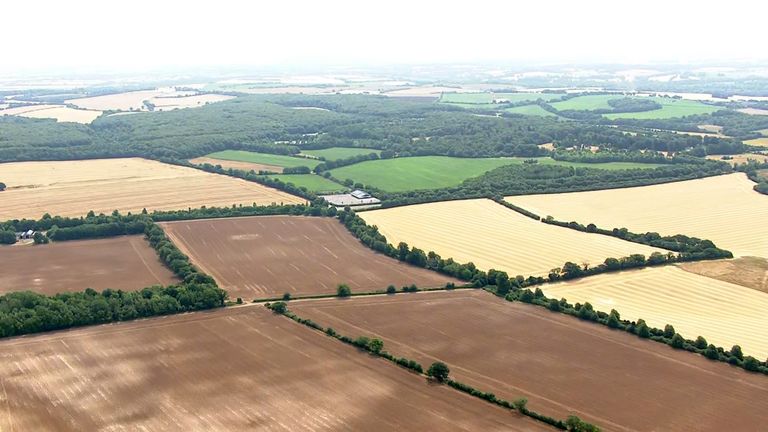
The disconnect between the planet’s physical limits and the financial incentives of the energy industry is stark. As farmers in the UK watch their crops wither and are forced to dip into winter feed reserves in the middle of summer, BP is doubling down on fossil fuel production, even announcing the sale of its North Sea operations to focus further on traditional oil and gas. Shell has similarly reported a 70% increase in half-year profits, reaching $16.75bn. Greenpeace political campaigner Angharad Hopkinson noted the irony of these figures, stating, “Amassing $5.7 billion in profits shows how corporate gains have become entirely divorced from the public good – ordinary people are feeling the heat when it should be the polluters paying the price.”
The scientific reality underpinning these events is increasingly difficult to ignore. While the Met Office notes that the UK’s transition to hotter, drier summers and wetter winters is consistent with a warming climate, the direct link between specific drought events and climate change remains complex. Nevertheless, the human cost is mounting; two heatwaves in May and June alone were linked to over 2,800 excess deaths. Despite this, the global economic machine continues to profit from the very activities accelerating these extremes.

We are currently witnessing a cycle of profound absurdity: we burn the fuels that drive record-breaking droughts and unpredictable, violent storms, then watch as the corporations responsible for that burning celebrate record profits while the rest of the world scrambles to adapt to a landscape that is literally drying up or blowing away. Whether one is clinging to a truck tire in a Dallas parking lot or watching a reservoir run dry in rural England, the lesson is the same: nature does not negotiate, and it does not care about your quarterly earnings. If we continue to prioritize the extraction of wealth over the stability of the climate, we are simply ensuring that the next generation will have no ground left to stand on.