
The world is bracing for what is projected to be the most intense El Niño ever recorded. Following a summer that already shattered global heat records, this massive climate event is expected to reshape weather patterns through next year, potentially pushing the summer of 2027 to even higher temperatures.
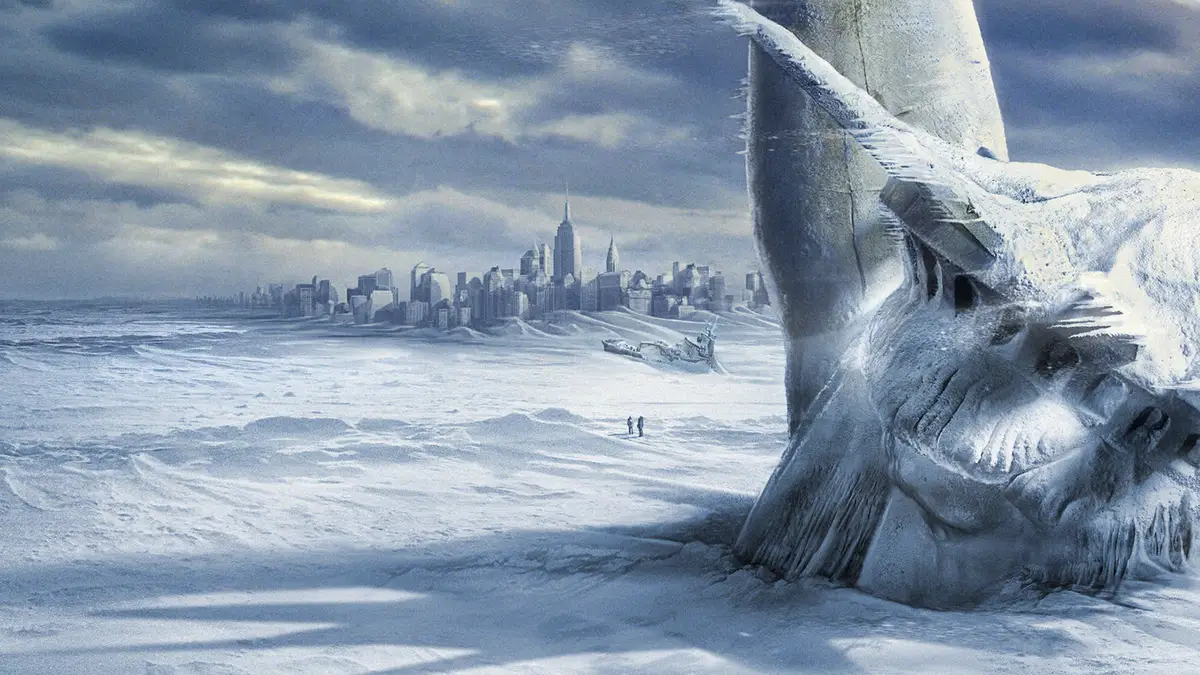
As the Pacific Ocean’s water temperatures rise, meteorologists are warning of significant humanitarian impacts, including the necessity for food stockpiling in vulnerable regions. This looming event has reignited public curiosity about whether extreme weather could trigger a global catastrophe similar to the cinematic disaster depicted in *The Day After Tomorrow*.
Professor Sybren Drijfhout of the University of Southampton previously explored the scientific plausibility of such a movie-style collapse. However, Matthew Cappucci, a senior meteorologist at MyRadar, dismisses the notion of an extinction-level weather event. “Obviously, The Day After Tomorrow is apocryphal. It’s science fiction. The answer is no,” Cappucci said.
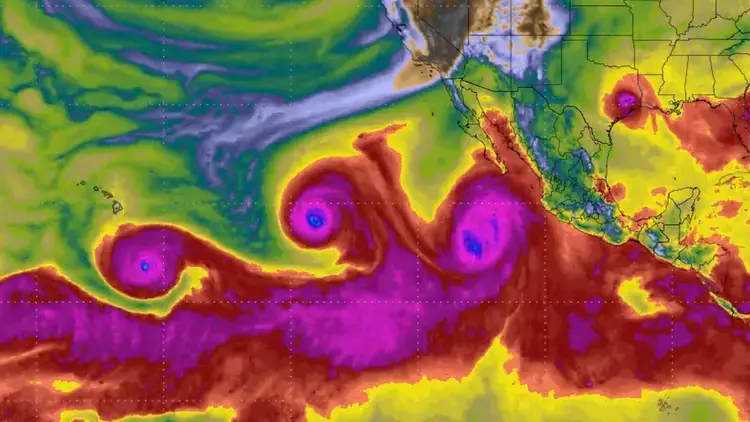
While the film remains pure fantasy, Cappucci noted some eerie visual parallels in the current Pacific activity. He pointed to the recent simultaneous appearance of three major hurricanes—named Lowell, Karina, and Marie—which mirror the storm clusters seen on screen. This event marked the first time on record that a Category 4 and a Category 5 hurricane occurred at the same time in the eastern Pacific.
Despite these dramatic visuals, Cappucci emphasizes that the environment lacks the conditions for true “disaster movie” scenarios. For example, he explained that while hurricanes require sea surface temperatures of about 79 to 80 degrees Fahrenheit (26C) to form, a hypothetical “hypercane” would require temperatures around 122F (50C)—a threshold the current climate cannot support without a catastrophic catalyst like a meteor strike.
Cappucci noted that while the world is not immune to rare, cataclysmic events—such as massive super-volcano eruptions that could trigger a global “snowball” scenario—these occurrences happen only every tens or hundreds of thousands of years. He estimates the probability of a massive, civilization-ending disaster occurring within any given year at 0.00001 percent.
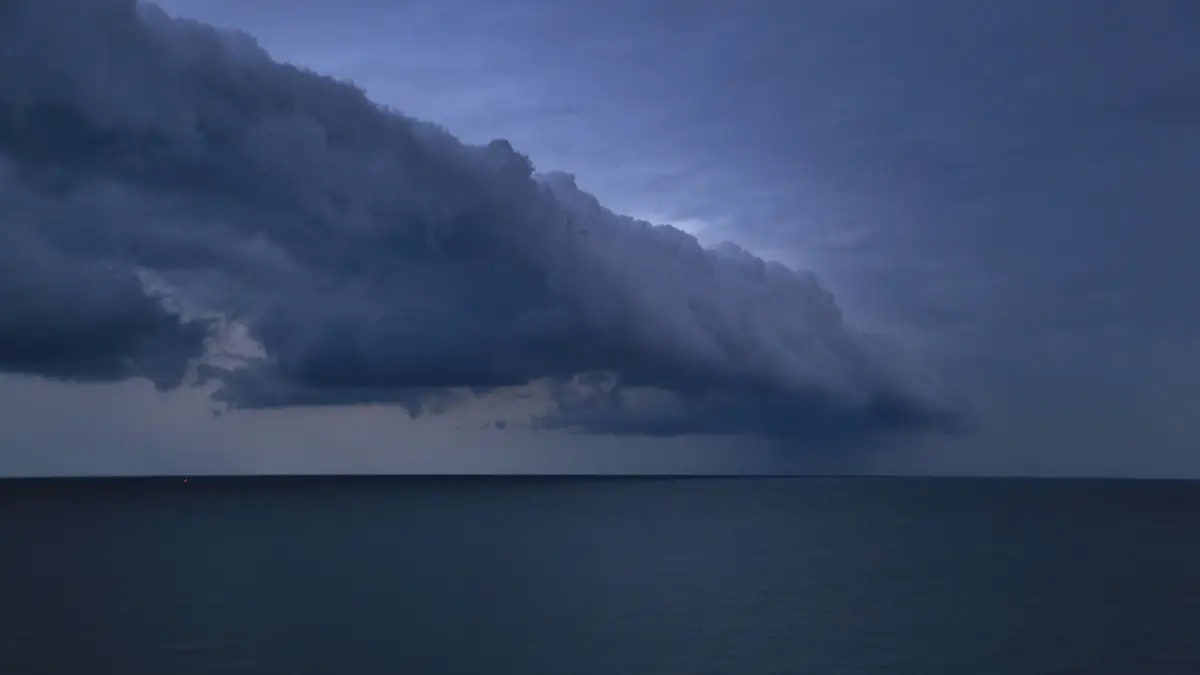
However, moving away from Hollywood-style fears, the reality of the upcoming El Niño is still severe for many populations. The event works by disrupting the Pacific’s trade winds, which typically blow from the Americas toward Australia and New Zealand. Normally, these winds push warm water west, allowing cold water to rise in the east. During an El Niño, these winds weaken or reverse, causing cold ocean regions to warm and triggering a global shift in rainfall and wind patterns.
This disruption will cause an “extremifying of both drought and flooding.” Cappucci warned that nations including Australia, Vietnam, Laos, Cambodia, and Thailand face significant drought risks, while Nepal, Mongolia, and western China may struggle with increased flooding. Furthermore, communities reliant on Pacific fishing will face economic hardship, as rising water temperatures drive away the feeder fish necessary to support larger marine populations.
While the world is not facing the immediate, frozen apocalypse seen on screen, the impending super El Niño is set to be a genuine catastrophe for the communities most dependent on the Pacific’s stability.