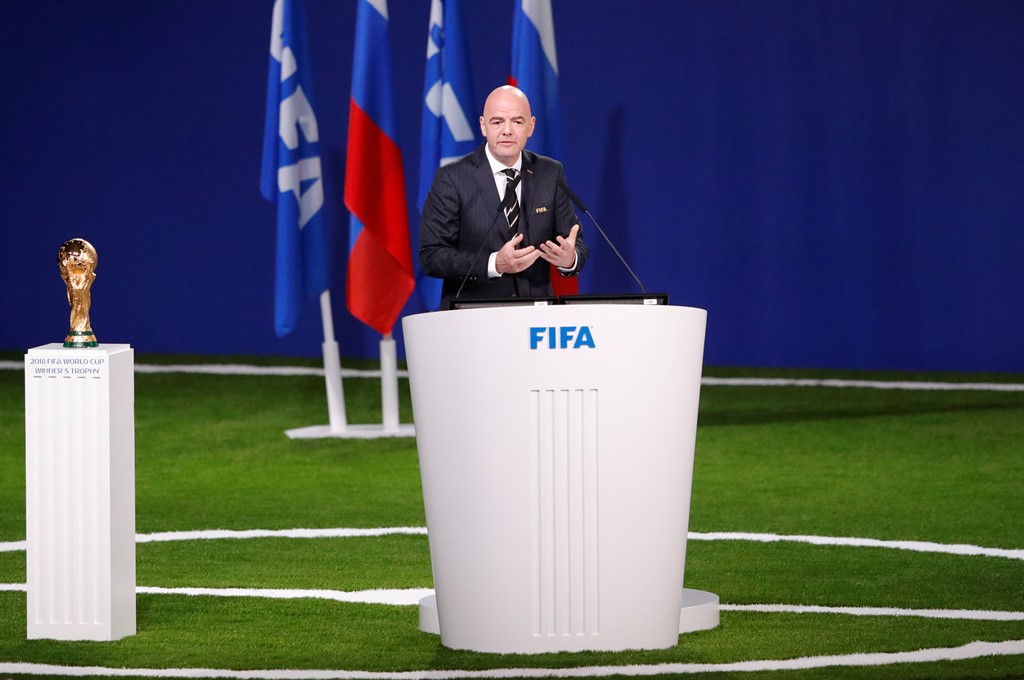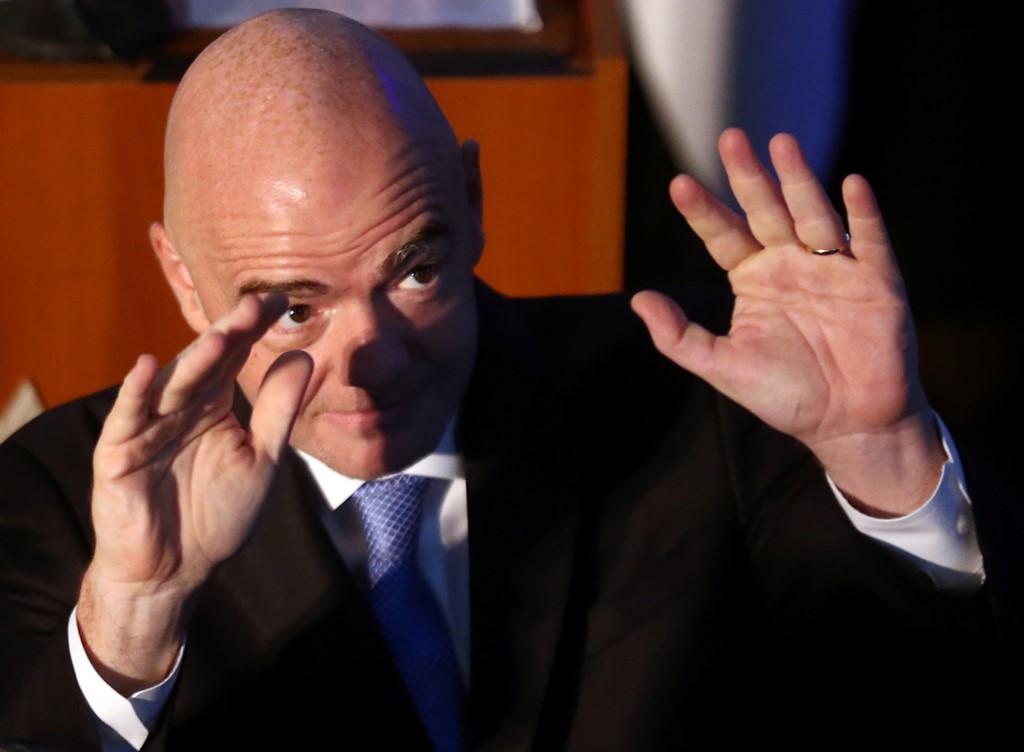
FIFA president Gianni Infantino has abandoned controversial plans to sell a significant stake in the World Cup to private investors, following a wave of internal revolt and the threat of a global boycott. The proposal, which sought to create a $20 billion commercial subsidiary, had triggered an unprecedented crisis within the governing body.
In an exclusive statement to Sky News, Infantino confirmed the project would not proceed. “Having listened carefully to all the views, it has become clear that the project has created divisions of a nature that, regardless of the level of support, are no longer in the interest of the objective set out in the first place,” he said. He added that his intent remains to “unite and improve” the game.
The decision follows intense pressure from continental confederations, including Europe’s UEFA, the Asian Football Confederation, and CONCACAF, which had all voiced opposition. UEFA had previously threatened that its members would boycott FIFA competitions if the sell-off progressed. South America’s CONMEBOL had also requested further information, expressing concern that commercial decisions must not “take precedence over football’s essence.”
The fallout claimed high-level casualties within FIFA. Carlos Cordeiro, a former president of US Soccer and a senior adviser to Infantino, resigned in protest, branding the proposal “a bad deal for FIFA’s members, a bad deal for football, and a bad deal for the long-term future of the game.” FIFA’s chief operating officer, Kevin Lamour, released a scathing statement accusing Infantino of deceiving staff and running the initiative as a “project of one person.”
The controversy has drawn scrutiny toward the proposed investor group, which FIFA indicated was expected to be led by a vehicle founded by Joshua Kushner, the brother of Donald Trump’s son-in-law, Jared Kushner. While US President Donald Trump stated he did not speak to Infantino about the plans, the connection highlights the intersection of FIFA’s leadership with the Trump family’s orbit.
This environment of deep-seated concern over transparency and governance parallels broader geopolitical controversies involving the Trump administration’s “Board of Peace.” That body, which includes Jared Kushner, is currently overseeing a contentious disarmament roadmap for Gaza. Kushner has previously described his vision for the territory as an “investment opportunity” rather than a warzone, a sentiment that critics argue mirrors the commercialization of football’s “crown jewels” at the expense of its core values.
The parallel between the two situations is stark: both involve the leveraging of high-stakes, sensitive assets—whether the sovereignty of a war-torn territory or the global integrity of the World Cup—for the benefit of private interests. In the case of FIFA, the backlash from figures like Cordeiro and the threat of a boycott by European nations underscored a refusal to allow the sport to be “mortgaged” without accountability.
Despite Infantino’s attempt to characterize the withdrawal as a consultative process, experts and officials suggest his position remains precarious. With 96% of Sky News readers backing a boycott of FIFA events in response to the sell-off, and calls for his resignation mounting from figures including UK politician Andy Burnham, the FIFA president faces a fight for his political survival. Whether the abandonment of the “FIFA Forward Enterprise” project will be enough to quell the internal insurrection remains uncertain, as members now openly question his mandate and the lack of good governance within the organization.