The Real-Life Deadpool: A Chilling Tale of Murder in Florida
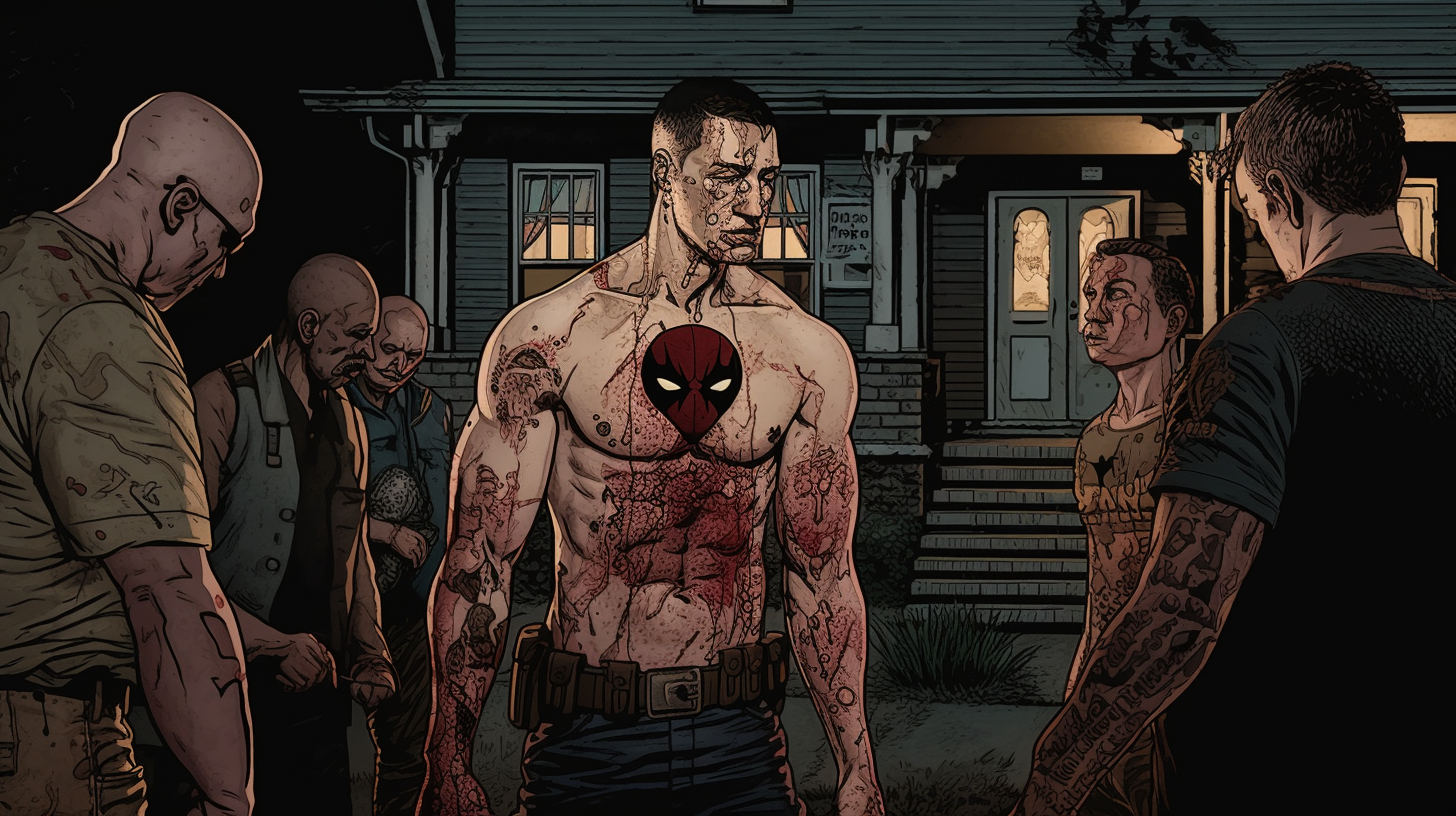
In a twisted intersection of pop culture and true crime, a Florida man sharing his name with Marvel’s beloved antihero Deadpool wrote his own story – not of redemption, but of senseless violence and murder. The similarities between Wade Wilson and his fictional counterpart end at the name, revealing instead a disturbing portrait of escalating brutality.
Wilson’s descent into violence followed a predictable pattern. Starting with burglary convictions in 2013, he graduated to weapons theft in 2017. But it was October 2019 when Wilson’s criminal career took a devastating turn, unleashing 24 hours of terror that would earn him a place among Florida’s most notorious killers.
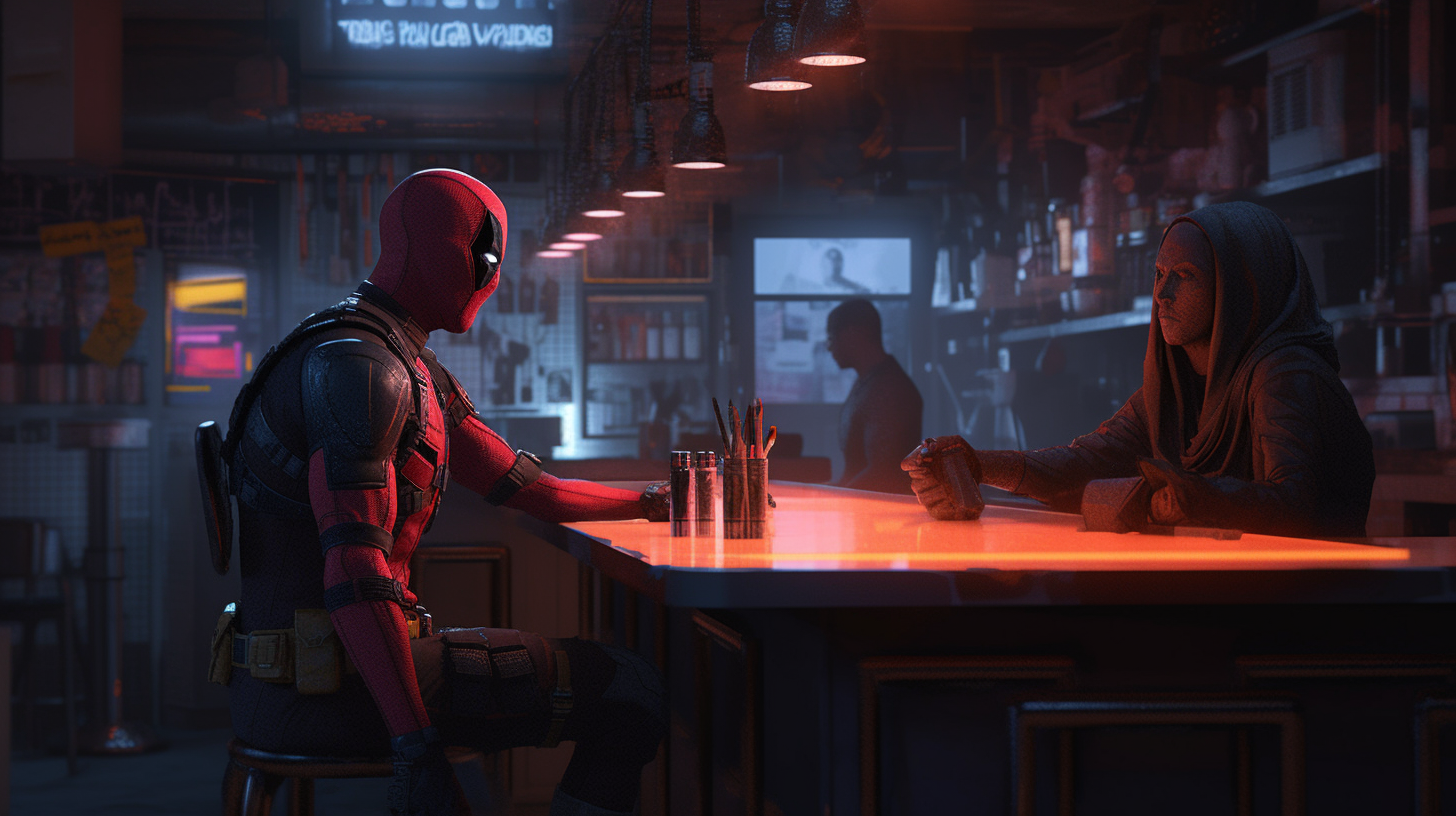
The bloodshed began at a local bar, where Wilson met Kristine Melton. What might have seemed like a chance encounter turned deadly when Wilson followed her home and strangled her in her own space – a sanctuary turned crime scene. But rather than flee or show remorse, Wilson was just getting started. He stole Melton’s car and drove to his ex-girlfriend Melissa Montanez’s home, where he violently assaulted her.
The night’s most horrific chapter was yet to come. Wilson spotted Diane Ruiz and, feigning confusion, asked for directions. Using this ruse, he convinced her to enter the stolen vehicle. What followed was described by prosecutors as an act of unimaginable cruelty – Wilson forced Ruiz from the car and repeatedly ran her over, between 10 and 20 times. Court testimony revealed he continued until, in the prosecutors’ grotesque words, “she looked like spaghetti.”
Wilson’s capture came through his own undoing – a confession to his father, Steven Testasecca, led to his arrest on October 8th. Ruiz’s body was discovered two days later, confirming the gruesome details of his confession. While awaiting trial, Wilson’s behavior grew increasingly erratic and defiant. He had swastika tattoos applied to his face and even attempted a prison break, conspiring with another inmate to tamper with their cell window and arrange a getaway vehicle.
Throughout his trial, Wilson remained chillingly emotionless. The jury and judge were unanimous in their assessment – these weren’t crimes of passion or opportunity, but calculated acts of evil. Nine jurors recommended death for Melton’s murder, while ten pushed for the ultimate punishment in Ruiz’s case. The judge concurred, citing the “heinous, atrocious and cruel” nature of the murders.
In a strange turn that underscored the case’s bizarre nature, Wilson’s own attorney requested his client be fast-tracked to death row “as soon as possible.” Despite this unusual request, Florida law mandates automatic appeals for death penalty cases. Wilson now waits in the state’s death row, where inmates typically spend just over 13 years before facing their final moment.
When that day comes, Wilson will face a choice his superhero namesake never had to make – lethal injection or the electric chair. His notoriety has attracted macabre attention, with prison officials forced to block numerous “inappropriate” messages from the public. But unlike the comic book character who heals from any wound, this Wade Wilson’s story will end with final justice, closing a dark chapter in Florida’s criminal history.
 By
Liam Taylor
#American crime, #crime and punishment, #crime news, #criminal behavior, #criminal justice, #criminal psychology, #Deadpool, #death penalty, #Florida murders, #murder case, #notorious killers, #pop culture crime, #sensational crime, #true crime, #true crime blog, #true crime documentary, #true crime stories, #violent crime, #Wade Wilson
By
Liam Taylor
#American crime, #crime and punishment, #crime news, #criminal behavior, #criminal justice, #criminal psychology, #Deadpool, #death penalty, #Florida murders, #murder case, #notorious killers, #pop culture crime, #sensational crime, #true crime, #true crime blog, #true crime documentary, #true crime stories, #violent crime, #Wade Wilson